Emulators
Do Racetech Cartridge Emulators Really Work? We Put Them on the Dyno to Find Out
If you’ve ever ridden a bike with damper rod forks and wished it handled better, you’ve probably come across the Racetech cartridge emulator as a potential fix. They’re relatively inexpensive, widely available, and come with a bold claim: emulators make damper rod forks perform like well-tuned cartridge forks. That’s a significant promise. But is it actually true?
We decided to stop guessing and start measuring.
What’s Wrong with Damper Rod Forks in the First Place?
Damper rod forks are simple by design. They use fixed orifices to control oil flow, which means damping force is directly tied to how fast the fork is moving. Push them slowly and they may feel soft and wallowy. Hit a sharp bump at speed and the damping force spikes dramatically. The result is a fork that feels harsh, skips over bumps, and generally loses composure when you need it most.
Cartridge forks solve this with shim stacks that open progressively under load, giving a much more sophisticated damping control across a broader range of speeds. The problem is that retrofitting cartridge internals is expensive, and not every bike justifies that investment.
That’s exactly the gap the Racetech emulator was designed to fill.
How Emulators Work
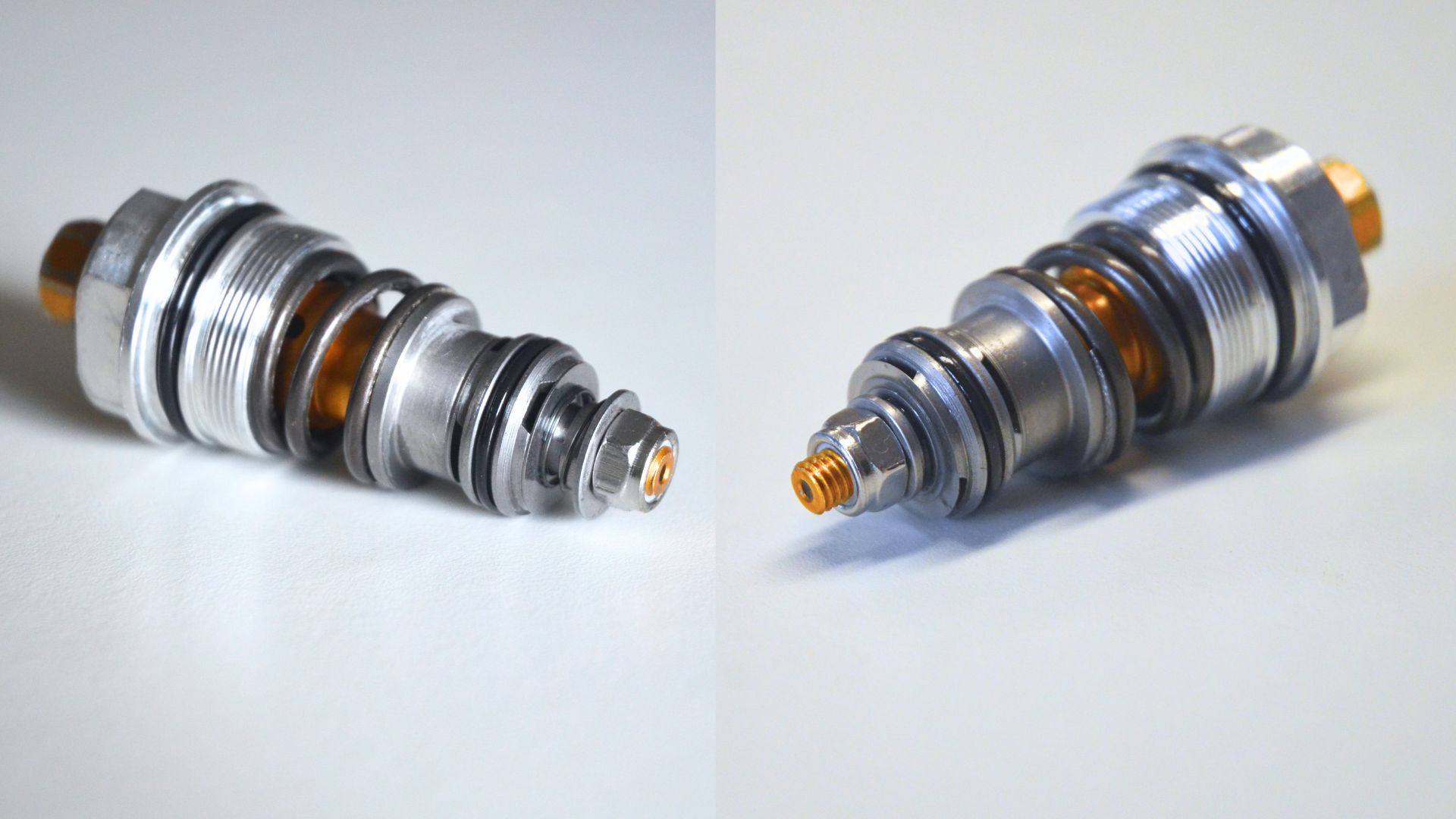
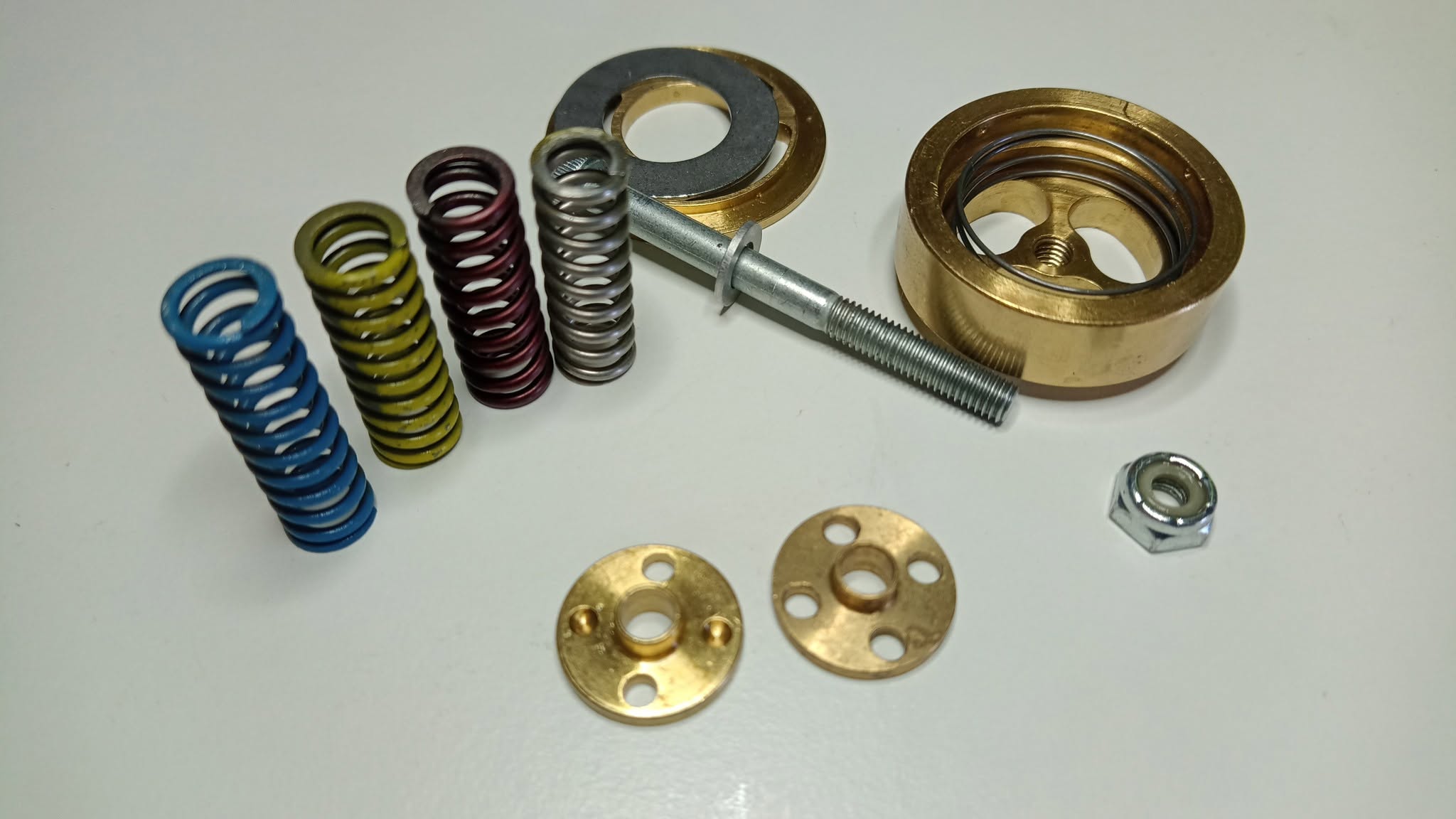
The emulator sits on top of the damper rod and essentially mimics the behaviour of a shim stack. It uses a spring-loaded valve that opens under pressure, allowing oil to bypass the fixed orifice once a certain threshold is reached. This prevents that harsh force spike at high shaft speeds, giving the fork a much more controlled and progressive feel.
The tuning variables are real and meaningful. You can adjust the bleed holes to control low-speed damping, change the spring rate to alter when and how aggressively the valve opens, and dial in spring preload to set the threshold at which bypass begins. Each of these variables interacts with the others, which is why simply bolting them in and hoping for the best only gets you part of the way there.
Are They as Tuneable as Claimed?
This is where a lot of people underestimate the product. The combination of bleed hole sizing, spring rate, and preload gives you a surprisingly wide tuning envelope. You can bias the setup toward plush low-speed compliance while maintaining control on sharp hits, or firm everything up for aggressive track use. The key word is properly tuned, an emulator thrown in with stock settings and forgotten could be leaving most of the performance on the table.
This is also where the quality of the emulator itself matters. The geometry and tolerances of the valve, the consistency of the spring, and the precision of the bleed holes all directly affect how predictably the fork responds to your tuning inputs. Copies that look similar on the outside can behave very differently on the dyno, and not in a good way.
The Bottom Line
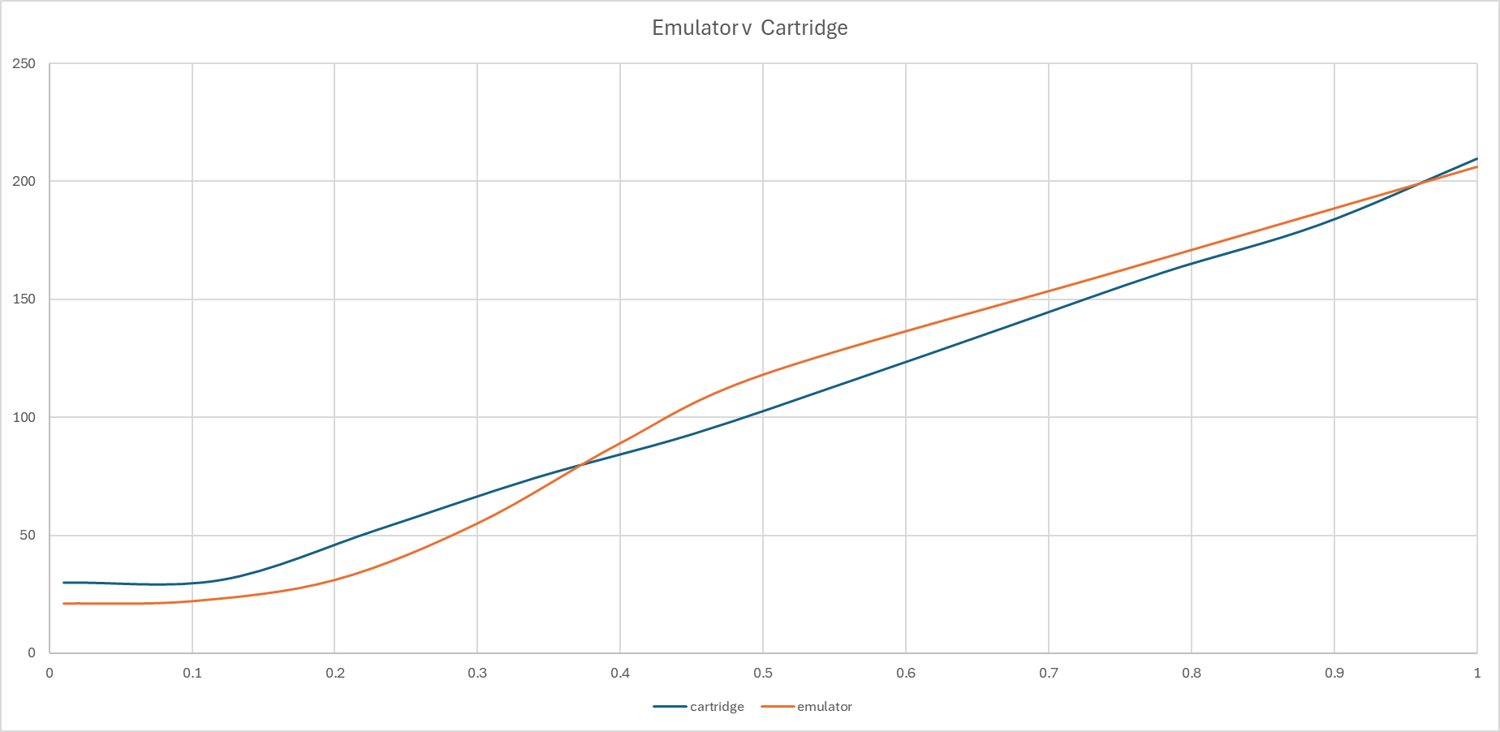
For riders looking to extract significantly better performance from damper rod forks without the cost of a full cartridge conversion, a Racetech emulator is a legitimate solution not just a marketing story. The dyno data backs it up.
That said, getting the most out of them requires understanding what each adjustment actually does and how the variables interact. If you want to go deeper on the full tuning methodology, what to adjust and when, that information is covered in full on the Master Technician Course.