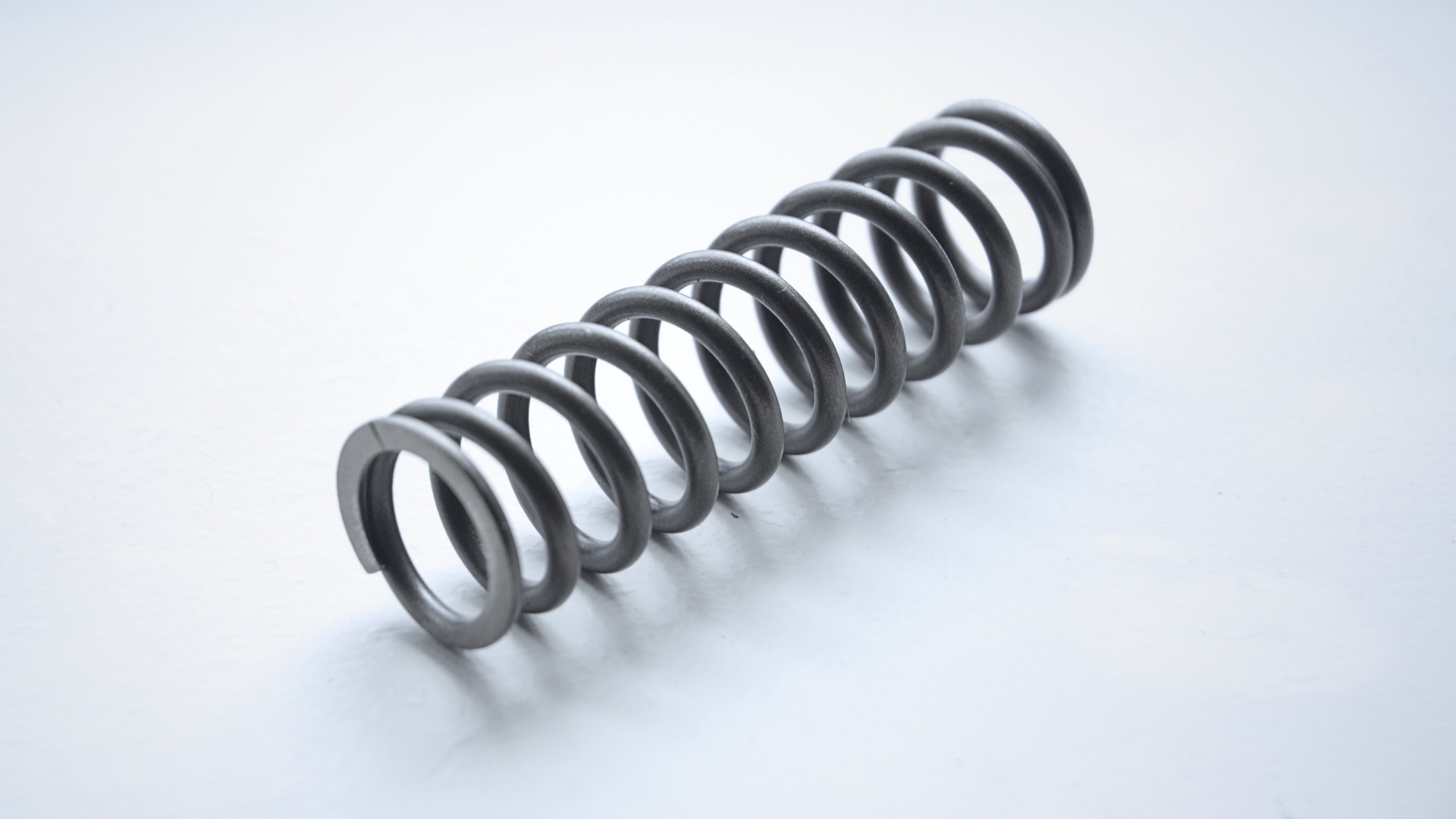
Swapping Pressure Springs
Swapping Pressure Springs.
I’ve seen a lot of stuff recently about pressure springs and the term “hold up”. Allegedly reducing the pressure spring can reduce the “hold up” and give you a plusher ride. As with anything it’s worth running the numbers.
What the pressure spring is actually doing.
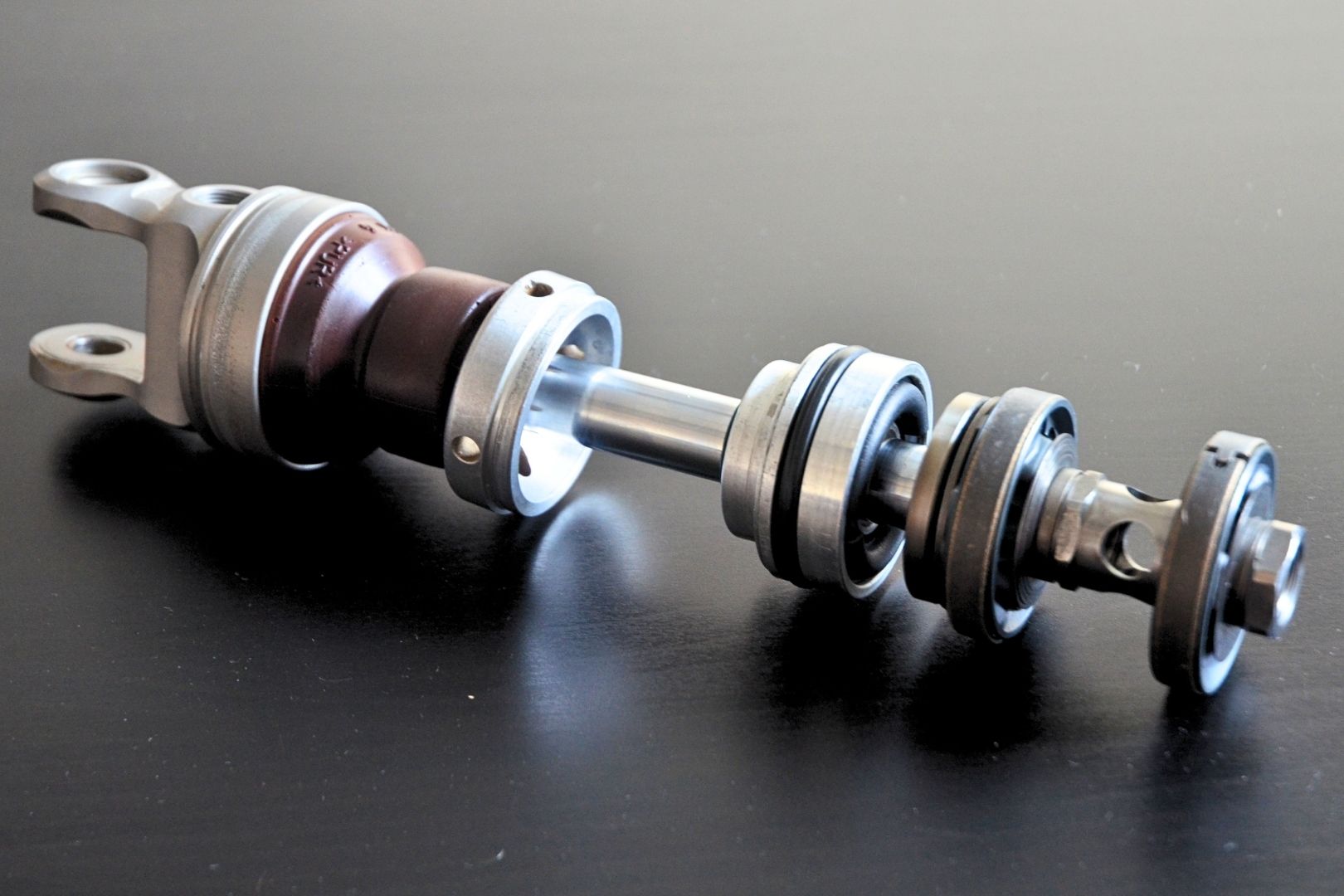
In a twin-chamber cartridge, the pressure spring isn’t there to add to the overall spring rate, that’s a by-product of it’s main function. It’s function is to pressurise the cartridge to prevent cavitation, the same as nitrogen in a shock. When you pressure a shock or cartridge, the pressure acts on the rod generating an extension force. People assume that because the internal pressure generates a force on the rod, swapping the spring must change how the fork feels.
Running the numbers.
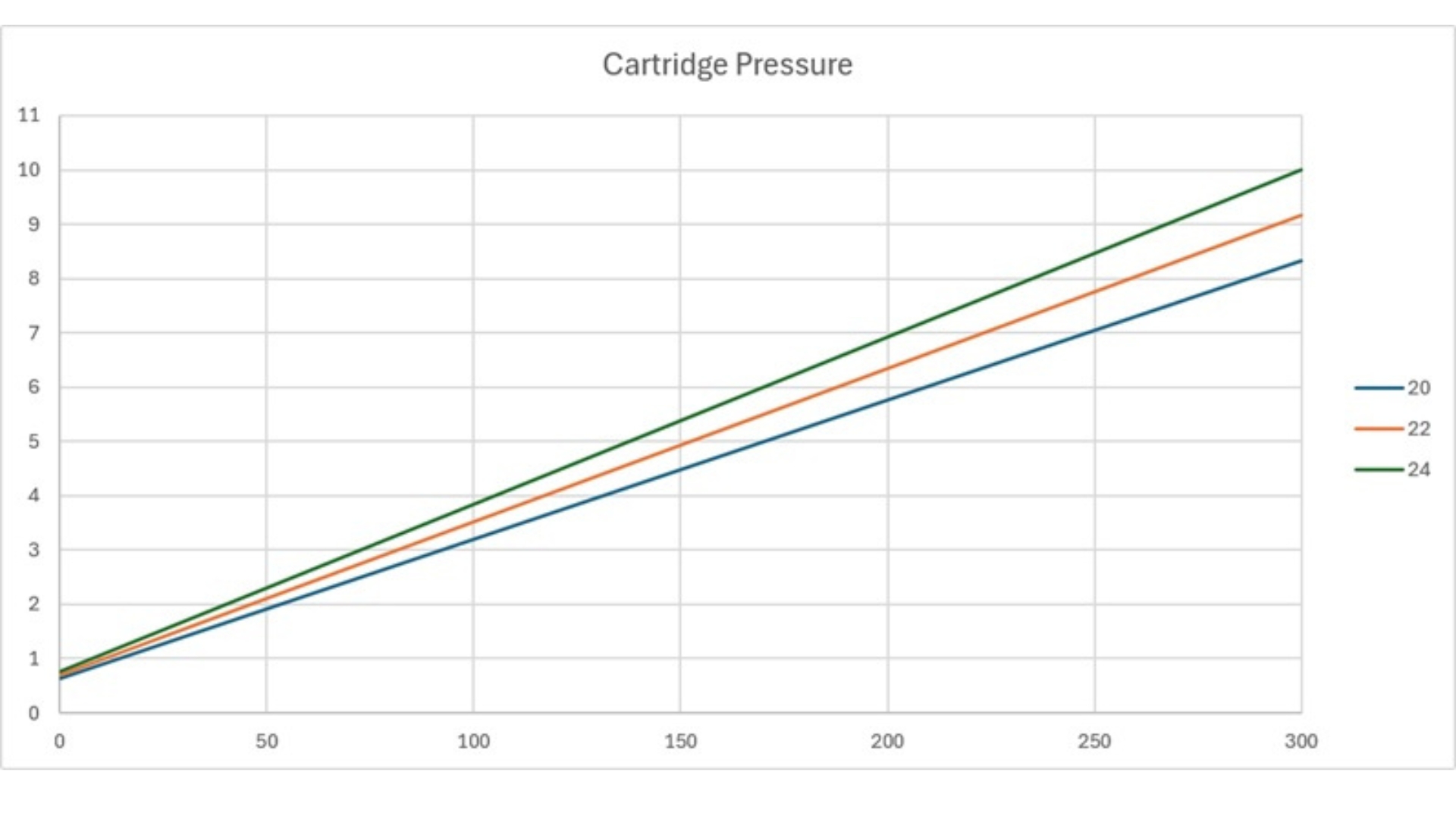
Dropping the pressure spring from 24N/mm down to 20N/mm, drops the cartridge pressure in one leg by 0.127 bar at the top of the stroke. (assuming both springs have 3mm of preload). You don’t have a lot of pressure to start with, so changing the spring drops it 16.5%. Does your set-up allow for that kind of drop?
Another thing I see a lot is people talking about “trampoline, or leaf spring mid-valves”. When people pre-load those and drop the pressure spring, the forks feel softer at the top of the stroke, not because of the spring change, but from the fact that the forks are cavitating.
Deeper in the stroke the pressure spring change on the overall rate is overwhelmed by the main spring, the air spring effect, the spring seat damping force etc.
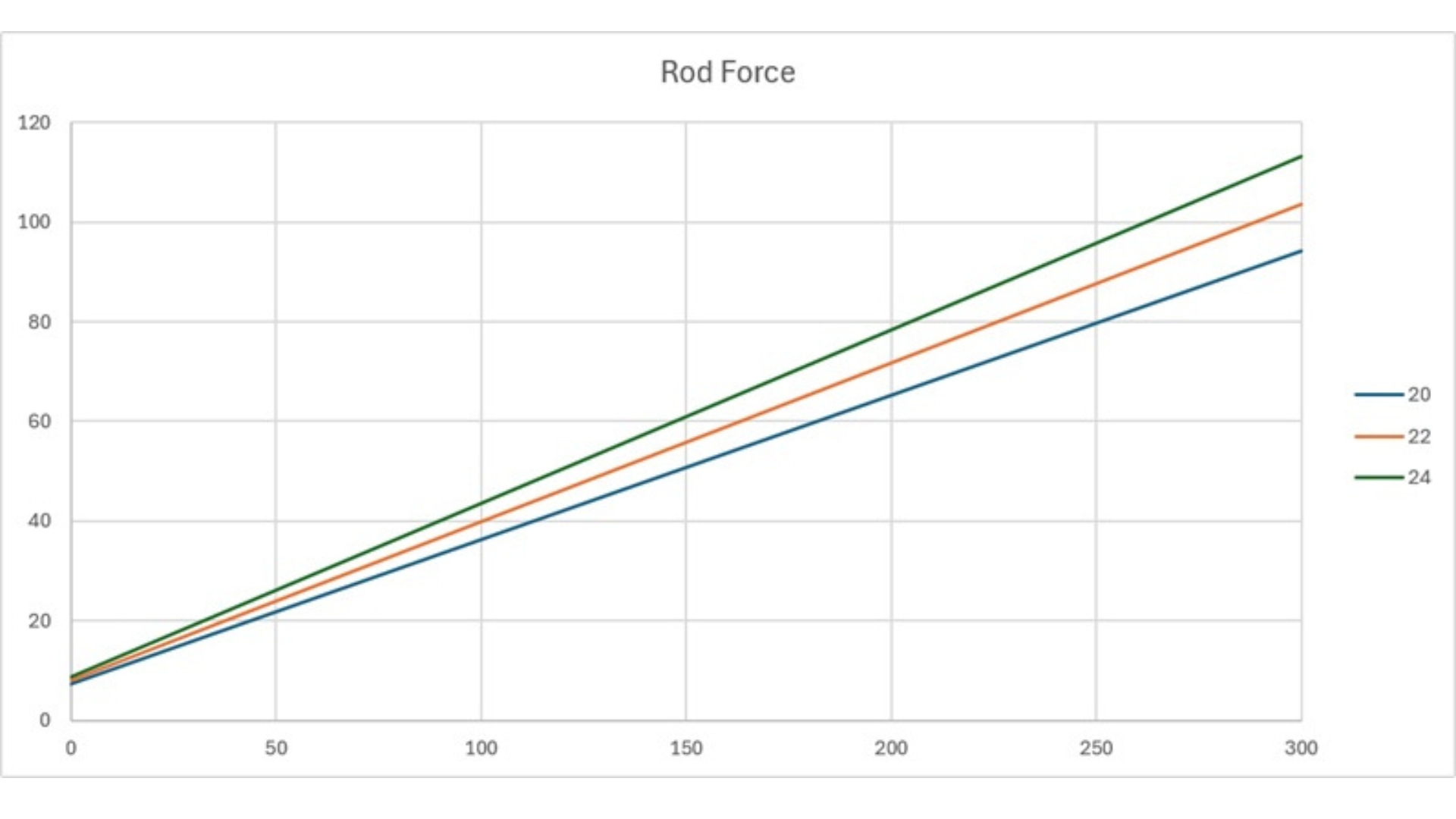
If we look at “hold up” itself and focus purely on the rod force. Using a rider sag position of 50mm changing from a 24N/mm to a 20N/mm drops the rod force 4.3N, if it’s a 4.8N/mm fork spring, that’s less than 1mm of preload. At full extension it’s equivalent to 0.3mm of preload on the main spring.
In terms of “hold up” what does that equate to at the fork?
What you can’t control
A 4.8N/mm main spring with a standard ±3% tolerance can vary by ±0.14N/mm. Are all the main springs exactly the same length?
A 24N/mm pressure spring can vary by ±0.7N/mm.
A 20N/mm pressure spring can vary by ±0.6N/mm, are all pressure springs exactly the same length?
Does it realistically change the feel and hold up?
We’re assuming, that there are no manufacturing tolerances whatsoever, the rates are exactly as listed, with exactly 3mm of preload on the pressure springs. We’re not taking into account any friction or stiction.
In the rider sag position, you’re looking at less than the equivalent of 1mm of preload on the main spring, less than that at full extension. However if you get aggressive with your mid-valve in any form the likelihood of cavitation will get greater. Which assumes it wasn’t cavitating at the top of the stroke as standard…
If you want to actually change how the fork feels, a pressure spring swap is not where you want to be looking.